



Why AI Hentai Has Become One of the Most Popular Uses of AI Art


When you've spent enough time in various AI art communities, you will see that some of the most involved people in those groups are not making landscape images, logo designs, or product prototypes. They are making anime characters. A whole bunch of them. This is probably no surprise for anyone familiar with anime. There is possibly no other fandom that has such a large, diverse community as anime does.
As an example, anime fans have long created their own OC (Original Character), alternate endings to their favorite stories, artwork based on their favorite anime/manga, etc, and create completely new worlds inspired by the type of genres they enjoy.
Therefore, it's really no surprise that this type of content would be one of the top uses of Artificial Intelligence-generated art. Once you take a closer look at how anime fans have used Digital Creativity for many years, it is very clear why this use of AI was so quick to grow.Anime Fans Have Always Loved Creating
Long before AI existed, anime communities were already creating their own content.
Fan art websites were full of original characters. Artists spent countless hours drawing alternate costumes, creating new story arcs, and imagining completely different versions of existing worlds. The desire to create was already there.
AI simply lowered the barrier.
Someone who couldn't draw professionally can now experiment with character concepts and visual ideas that might have stayed inside their imagination before.
That's a big reason interest in AI Hentai has expanded so quickly. For many users, the attraction isn't just the final image. It's the ability to participate in the creative process.
Personalization Changes EverythingIn traditional content, each person receives the same pre-set experience. If someone likes what you have, then great; otherwise, they continue their search for something else. In contrast, AI operates in a fundamentally different way.
Users provide information about the subject matter (e.g., a character) such as physical characteristics, dress, hair, visual style of the artwork, personality, or environment. The AI produces an entirely new image based on this data.
The generated image may be very similar to the one the user had envisioned or could be vastly different than expected. Oddly, both possibilities are a large part of the enjoyment of using AI.
Many users find themselves spending equal amounts of time adjusting their prompt(s), trying out ideas and exploring options as they are viewing the completed images. This creative process seems less like finding pre-made content and more like creating something from scratch.
The Anime Art Style Works Surprisingly Well With AI
Not every visual style translates equally well into AI generation. Anime happens to be one of the strongest matches.
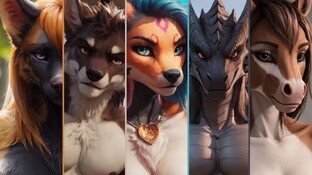
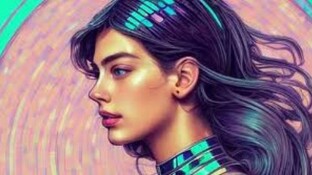
Bold outlines, expressive characters, colorful environments, and stylized designs are all things modern AI models handle particularly well.This is one reason anime-focused AI platforms have grown so quickly compared to some other creative categories.
Users can often achieve impressive results without needing advanced artistic knowledge.A simple idea can become a detailed image within seconds. That level of accessibility has attracted people who may never have considered themselves artists before.
People Enjoy Building Their Own Characters
One trend that keeps appearing across AI communities is character creation.
People don't just want images.
They want characters that feel like their own.
A custom hairstyle. A unique outfit. A specific personality. A fantasy background story.
The image becomes part of a larger creative project. Some users generate artwork for visual novels. Others use characters for roleplay communities, stories, comics, or personal creative projects.
The technology has made character creation more accessible than ever.
And anime fans seem particularly eager to take advantage of it.
The Technology Has Improved Fast
The quality difference between today's AI-generated anime artwork and the results from only a few years ago is difficult to ignore. Earlier models often struggled with consistency. Characters would change between images. Small details would disappear. Hands and facial features frequently looked unusual.
While challenges still exist, the overall quality has improved dramatically.
Character consistency is better.
Art styles are more refined.
Images contain more detail and stronger visual composition. Users who tried AI art several years ago are often surprised by what modern systems can create today.
Responsible Creation Still Matters
The development of AI is creating an increasing need for a discussion on how to responsibly use these new technologies. Responsible use is currently at the forefront of nearly all reputable platforms that create fictional content and have specific policies in place regarding the unauthorized creation of likenesses to real people. This distinction may be less than obvious, but it makes a huge difference when comparing recreating fictional characters (as opposed to using real people) without obtaining consent.
Likely, the long-term viability of this technology will depend upon finding the right balance between allowing creators' freedoms while also developing responsible policies by platforms.
Where Things Might Go Next
Trying to predict technology is usually a risky game. Most predictions end up looking funny a few years later. Still, some trends seem fairly clear.
AI-generated anime artwork continues to improve. Character consistency is getting better. Video generation is becoming more advanced. Creative tools are becoming easier for beginners to use.
More people are discovering what modern AI Hentai platforms can create, and more creators are finding ways to incorporate these tools into their projects.
Whether someone views that as exciting, fascinating, or a little overwhelming often depends on their perspective. Either way, the momentum is difficult to ignore.
What we're seeing today may end up being only the beginning of a much larger shift in how digital art, character creation, and visual storytelling are created in the years ahead.